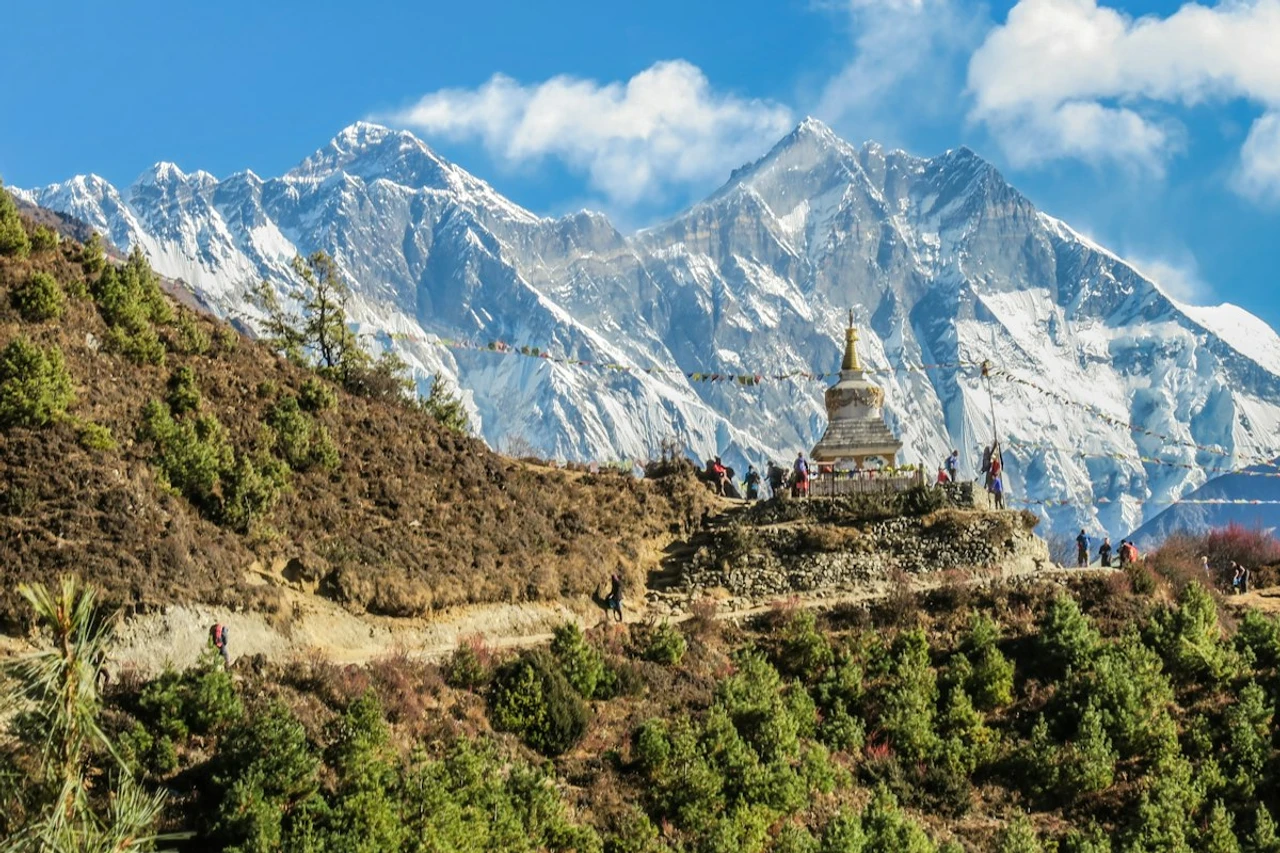
At 4:00 AM at Thorong Phedi, the temperature is minus eighteen degrees Celsius. The beam of your headlamp catches the glittering hoarfrost on your down mittens as your breath condenses into icy plumes. Above you, the dark silhouettes of the Annapurna and Dhaulagiri massifs tower eight thousand meters into a velvet sky thick with Himalayan stars.
The Annapurna Circuit remains one of the world’s most transformative journeys. Over two weeks, you walk from subtropical rice paddies and banana groves up through rhododendron and pine forests, past Tibetan Buddhist mani walls, and finally onto the wind-blasted scree fields of the Tibetan Plateau.
The Acclimatization Strategy for 5,416m
High Altitude Cerebral Edema (HACE) and Pulmonary Edema (HAPE) are genuine hazards on the Circuit. Never rush the ascent:
- The Rule of 300 Meters: Above 3,000 meters, avoid increasing your sleeping elevation by more than 300 to 500 meters per day.
- Rest Days in Manang: Spend at least two nights in Manang (3,540m). Undertake daytime acclimatization climbs to the icy shores of Gangapurna Lake (3,800m) or the Milarepa Cave before descending to sleep.
- Hydration: Drink 4 to 5 liters of warm water and ginger-lemon tea daily to offset the severe dehydration caused by dry alpine air and heavy breathing.
“In the high Himalayas, you do not conquer the mountain. The mountain permits you passage, provided you walk with patience and humility.”
Teahouse Culture & Daily Life
The heart of the trek is the evening gathering in the village teahouse. Walkers from a dozen nations sit around a central kerosene or yak-dung stove, drying wool socks and savoring endless servings of steaming dal bhat (lentil soup, rice, and spiced vegetables) under the hospitality of local Gurung and Thakali families.

Shivam Gupta
Expedition Lead & Adventure Photographer
Shivam is an alpine trekker, documentary photographer, and wilderness expedition guide. Having navigated remote high-altitude passes in the Himalayas, polar fjords, and off-grid desert tracks, he shares tactical packing strategies, route logistics, and raw visual dispatches from the front lines of adventure travel.