Stepping inside an active glacial ice cave feels like standing within the hollow ribs of a mythical beast. Millions of tons of ancient ice, compacted over centuries to eliminate all air bubbles, refract natural daylight into an otherworldly electric sapphire glow. Above your safety helmet, you can hear the deep, rhythmic groans of the glacier as it slowly creeps down the valley.
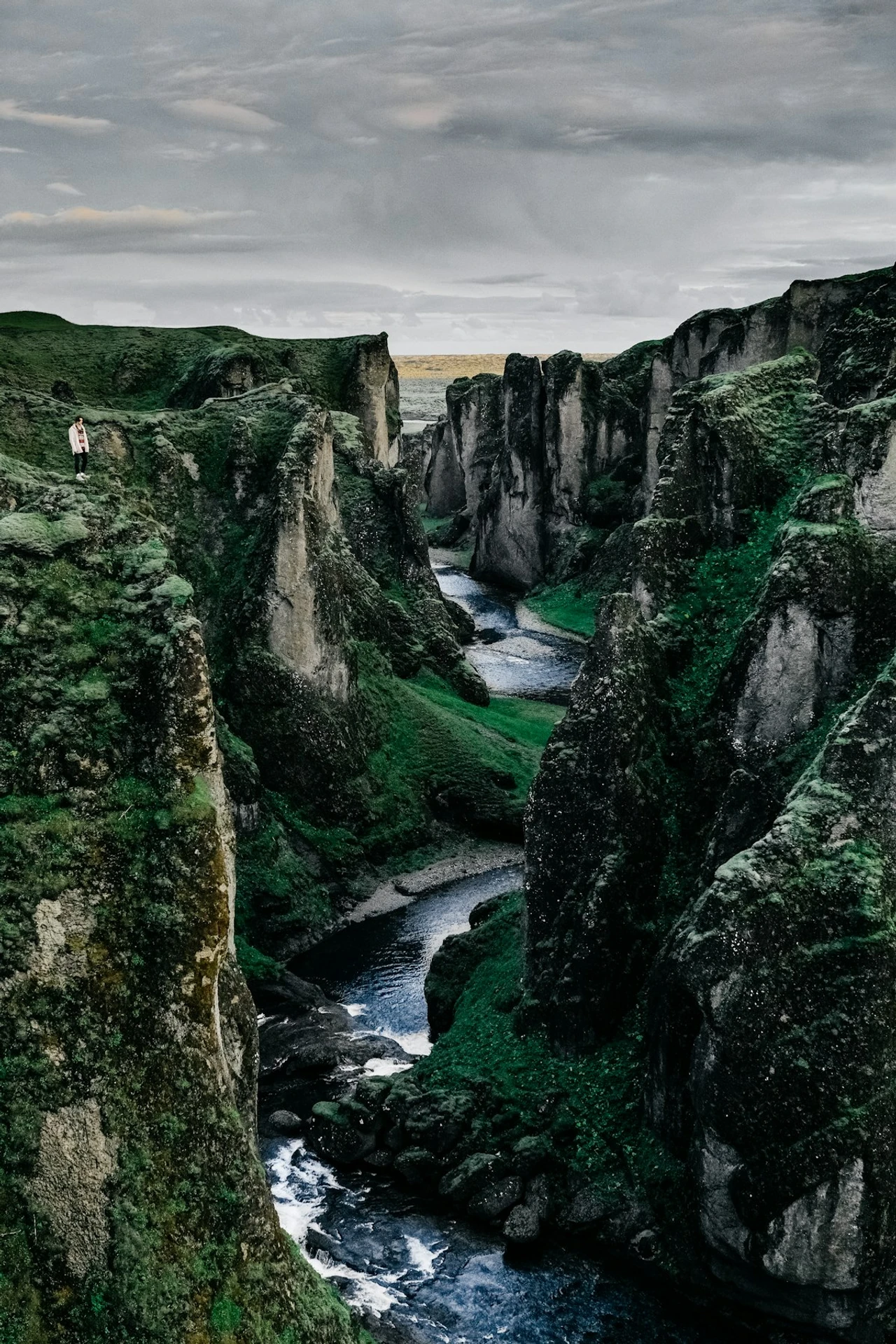
Iceland in the dead of winter is not for the timid. The Ring Road is frequently swept by violent blizzards, daylight is restricted to four golden-tinted hours, and the Atlantic surf crashes against volcanic black sands with immense fury. But for the adventurous photographer, there is no place more magical.
Exploring the Vatnajökull Ice Formations
Vatnajökull is Europe’s largest ice cap by volume. Each summer, meltwater channels carve new caverns through the ice; each autumn, as temperatures plummet, these tunnels freeze solid, opening fleeting windows for exploration.
- Mandatory Safety Equipment: Ice caves should never be entered without a certified glacier guide, crampons, and mountaineering helmets. Shifting temperatures can cause spontaneous collapses.
- Photographing the Deep Blue: Use a wide-angle lens (14–24mm) on a sturdy tripod. Exposure times in the dim caverns typically range between 1/4 second and 2 seconds.
Chasing the Aurora Borealis
When the polar night falls, keep your eyes on the solar wind forecast (Kp-index) and cloud cover charts. Settle near Jökulsárlón glacier lagoon, where floating turquoise icebergs reflect the undulating green and violet curtains of the Northern Lights dancing across the Arctic heavens.

Shivam Gupta
Expedition Lead & Adventure Photographer
Shivam is an alpine trekker, documentary photographer, and wilderness expedition guide. Having navigated remote high-altitude passes in the Himalayas, polar fjords, and off-grid desert tracks, he shares tactical packing strategies, route logistics, and raw visual dispatches from the front lines of adventure travel.