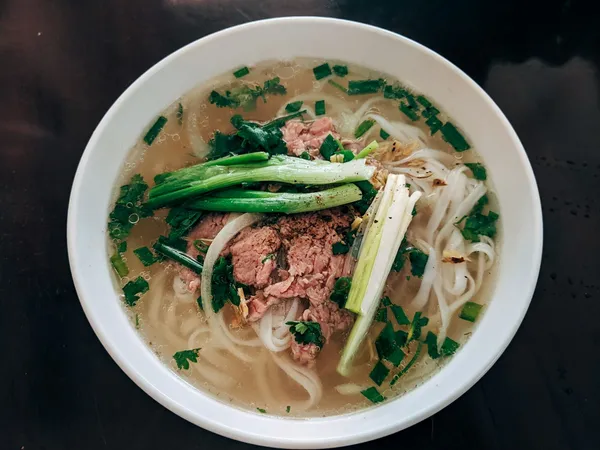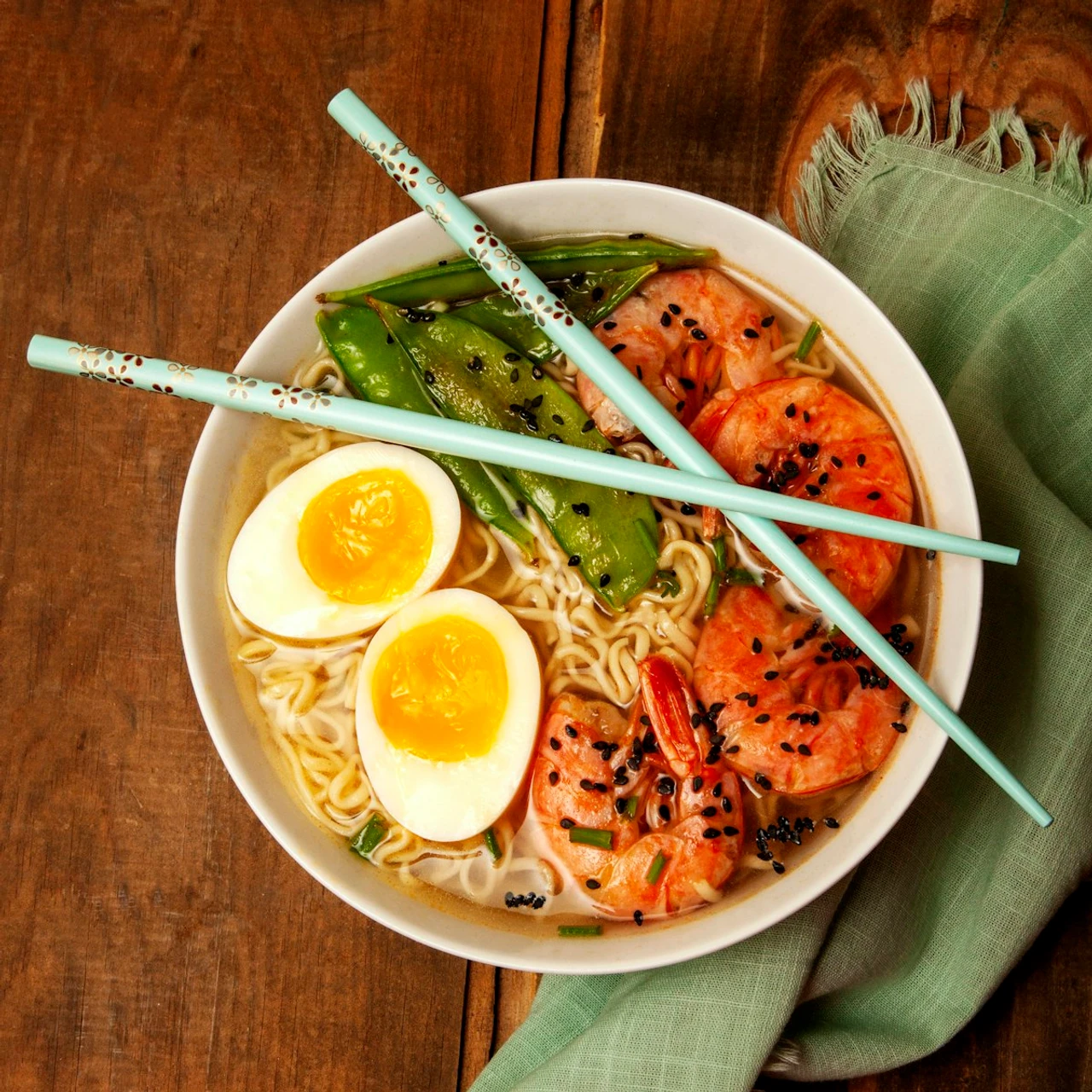
Slip beneath the indigo fabric noren curtain of a Tokyo ramen shop, purchase your paper meal ticket from the coin vending machine (shokkenki), and slide onto a wooden bar stool. In front of you, through clouds of aromatic steam, a master chef violently whips a bamboo noodle strainer (tebo) to remove every droplet of boiling water before nestling fresh noodles into a piping hot bowl of clarified broth.
Ramen in Tokyo is a culinary obsession with over twenty distinct regional sub-genres.
Deconstructing the Five Sacred Broths
- Shoyu (Soy Sauce): Clean, crystalline broth built on whole free-range chicken bones (jidori), dried kelp (kombu), and aged artisanal soy sauces.
- Tonkotsu (Pork Bone): Rich, cloudy emulsion achieved by boiling pork marrow bones at rolling temperatures for 16 to 24 hours.
- Niboshi (Dried Sardine): Intense umami punch brewed from sun-dried baby sardines, popular in northern Japan.
- Tsukemen (Dipping Noodles): Chilled, thick wheat noodles dipped into an intensely concentrated, simmering broth bowl.

Shivam Gupta
Expedition Lead & Adventure Photographer
Shivam is an alpine trekker, documentary photographer, and wilderness expedition guide. Having navigated remote high-altitude passes in the Himalayas, polar fjords, and off-grid desert tracks, he shares tactical packing strategies, route logistics, and raw visual dispatches from the front lines of adventure travel.